Estimated reading time: 7 minutes
In this article:
In a working world that never stops shifting, a company’s ability to get key messages across has become a serious competitive advantage. But beyond performance, it’s health and safety at work that forms the foundation of any lasting company.
Whether it’s a matter of complying with labour law, updating the mandatory workplace risk assessment record or tackling occupational illnesses, the challenge is the same: how do you move from a theoretical duty of care to a genuine prevention culture shared by everyone?
That’s where workplace awareness-raisingcomes in. Often seen as a box-ticking exercise to satisfy thelabour inspectorate or occupational insurance bodies, it is in fact the most effective lever you have to prevent risks.
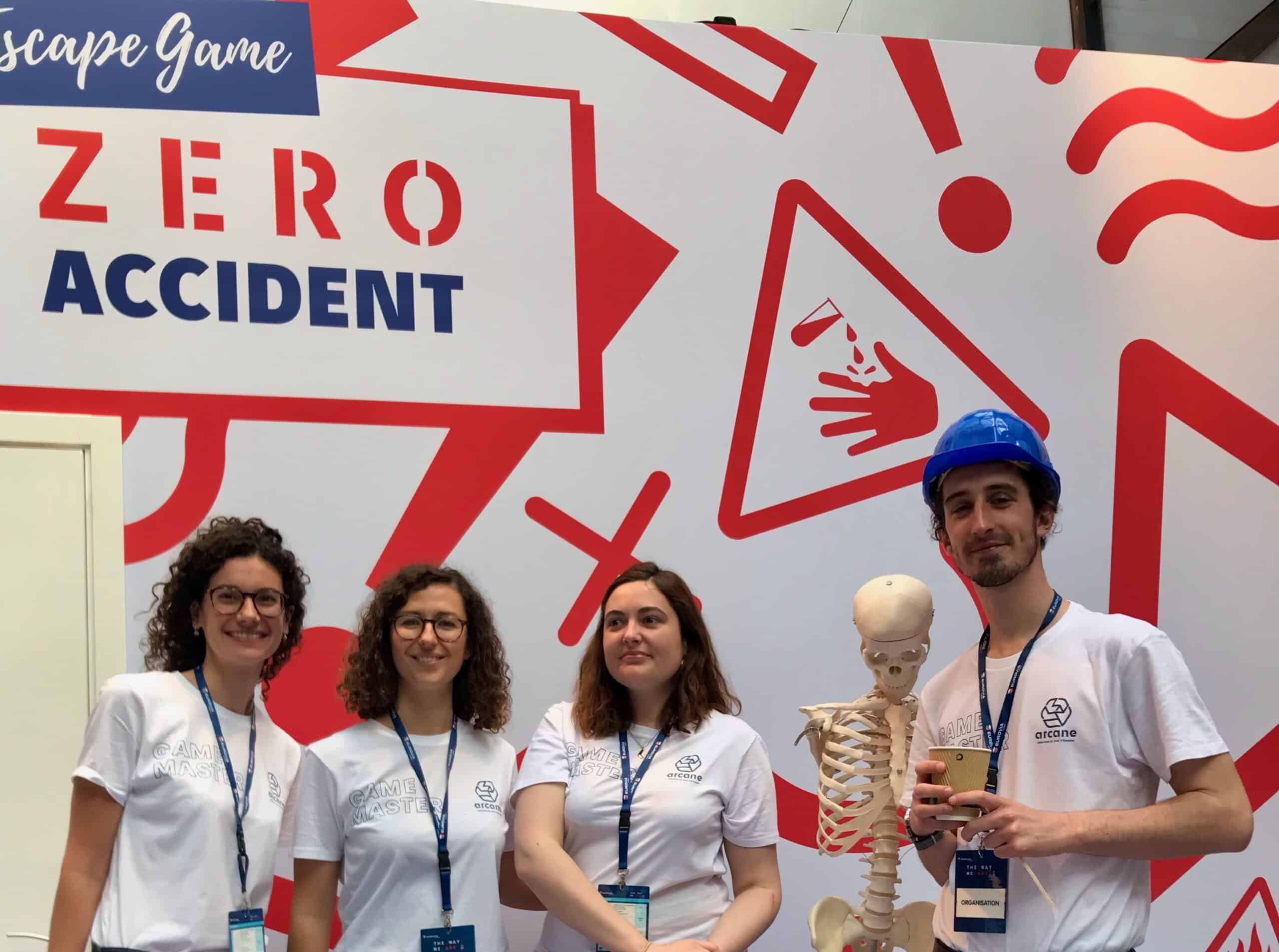
At Arcane Experience, our approach rests on one simple idea: to learn how to work safely and with respect for others, you have to feel it. With more than 30,000 participants in our games (ready-to-play or bespoke) behind us, we explore how gamification helps you better assess and prevent hazards, whether physical or linked to psychosocial risks.
From legal obligation to real engagement: rethinking health at work
Today, risk awareness-raising can no longer stop at a signature on an attendance sheet. It has become a central pillar of CSR and HR strategy.
Beyond compliance and the risk register
The company director has a duty to prevent arduous working conditions and to ensure worker safety. It’s an obligation to get results. But drafting prevention records or a prevention plan isn’t enough if employees never take ownership of the rules. Good awareness-raising turns a regulatory constraint into a collective drive for health protection.
Workplace wellbeing as a shield
Expectations have changed. Physical and mental health comes first. A successful campaign has a direct effect on workplace wellbeing. It reducesabsenteeism, prevents bullying and sexual harassment, and improves the workplace climate. It’s a powerful lever, as we explain in our feature on using games to improve workplace wellbeing.
The cost of doing nothing
The cost of workplace accidents and of people problems (turnover, conflict) is huge, before you even count the indirect impact on the organisation. Investing in hard-hitting risk prevention initiatives is a straightforward return on investment, and it protects employee health.
Why conventional training fails to prevent risks
We’ve all been there: a top-down prevention training session , PowerPoint and all, listing obligations and safety instructions. The result? Attention drifts away. If you want to understand why these methods run out of steam, we explain how to go beyond e-learning to make training interactive.
Traditional methods show their limits against the complexity of real working situations :
- Disconnected from the field: theory is often a long way from the reality of the workstation.
- Little impact on behaviour: knowing the rules doesn’t stop risk-taking or exclusionary behaviour. To avoid risks, you have to change reflexes and mindsets.
- Fear-based, blame-heavy messaging: talking only about bans and penalties puts teams on the defensive. Fear is a poor teacher when it comes to improving working conditions.
Against this backdrop, game-based awareness-raising stands out as the way to re-engage everyone involved in prevention, from workplace first-aiders to the members of the works council.
Play: a powerful tool for risk assessment and prevention
A game is far more than downtime; it’s a mechanism backed by educational science for embedding prevention messages. L’INRS itself recommends participatory approaches. This is what we call the game as a learning facilitator.
Simulate to understand better
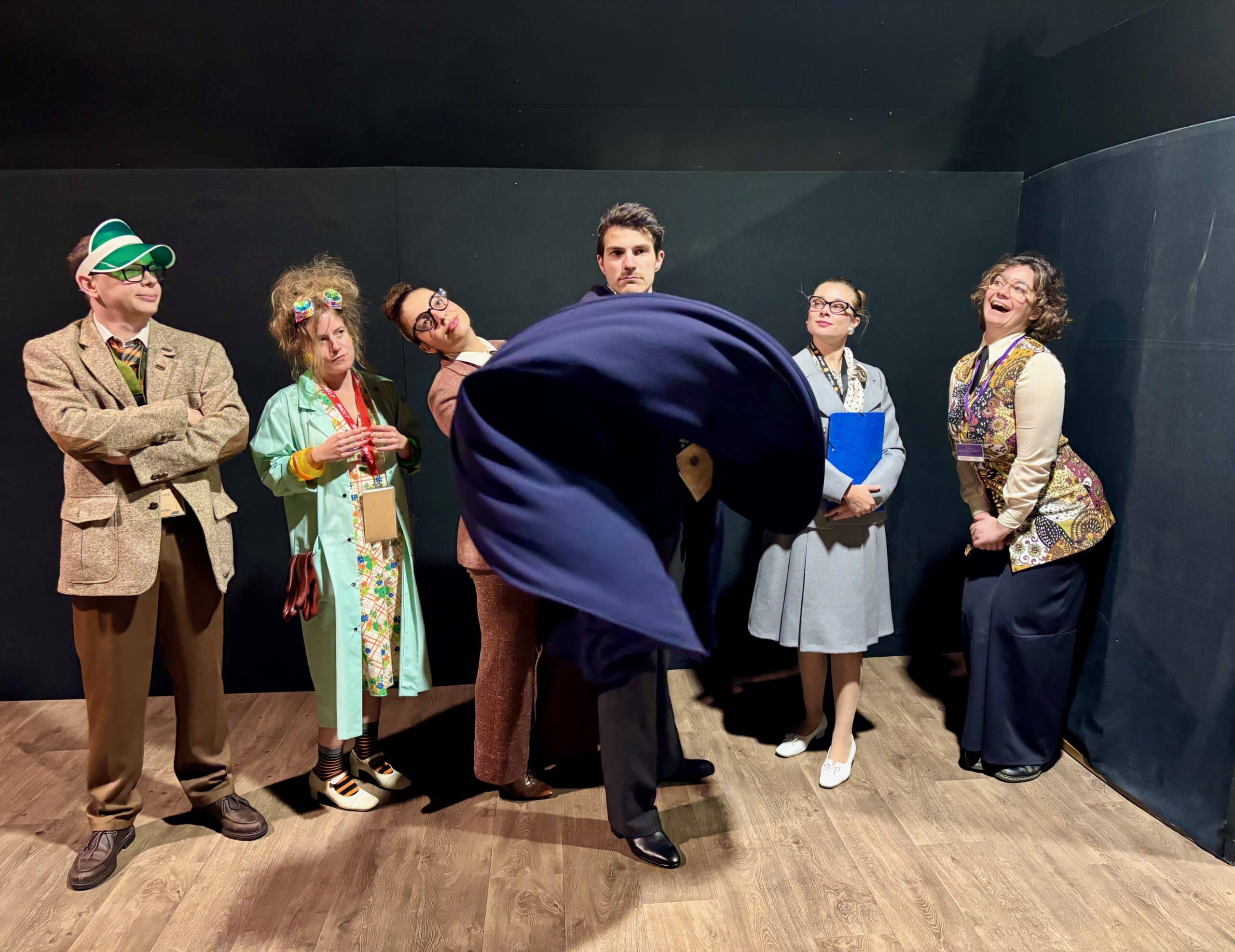
A game lets you simulate complex social interactions inside a fictional work unit . Participants have to spot the risks (discrimination, burnout, poor communication) with no real consequences. It’s a form of primary prevention that’s ideal practice foroccupational risk analysis.
Opening up the conversation on psychosocial risks
In most companies, psychosocial risks (stress, harassment, overload) are still taboo. Because of its offbeat tone, a game gets people talking. It lets you tackle weighty subjects such ashow work is organised or mental health without dramatising them. It’s a valuable tool for managing psychosocial risks.
Learning by experience (and by bias)
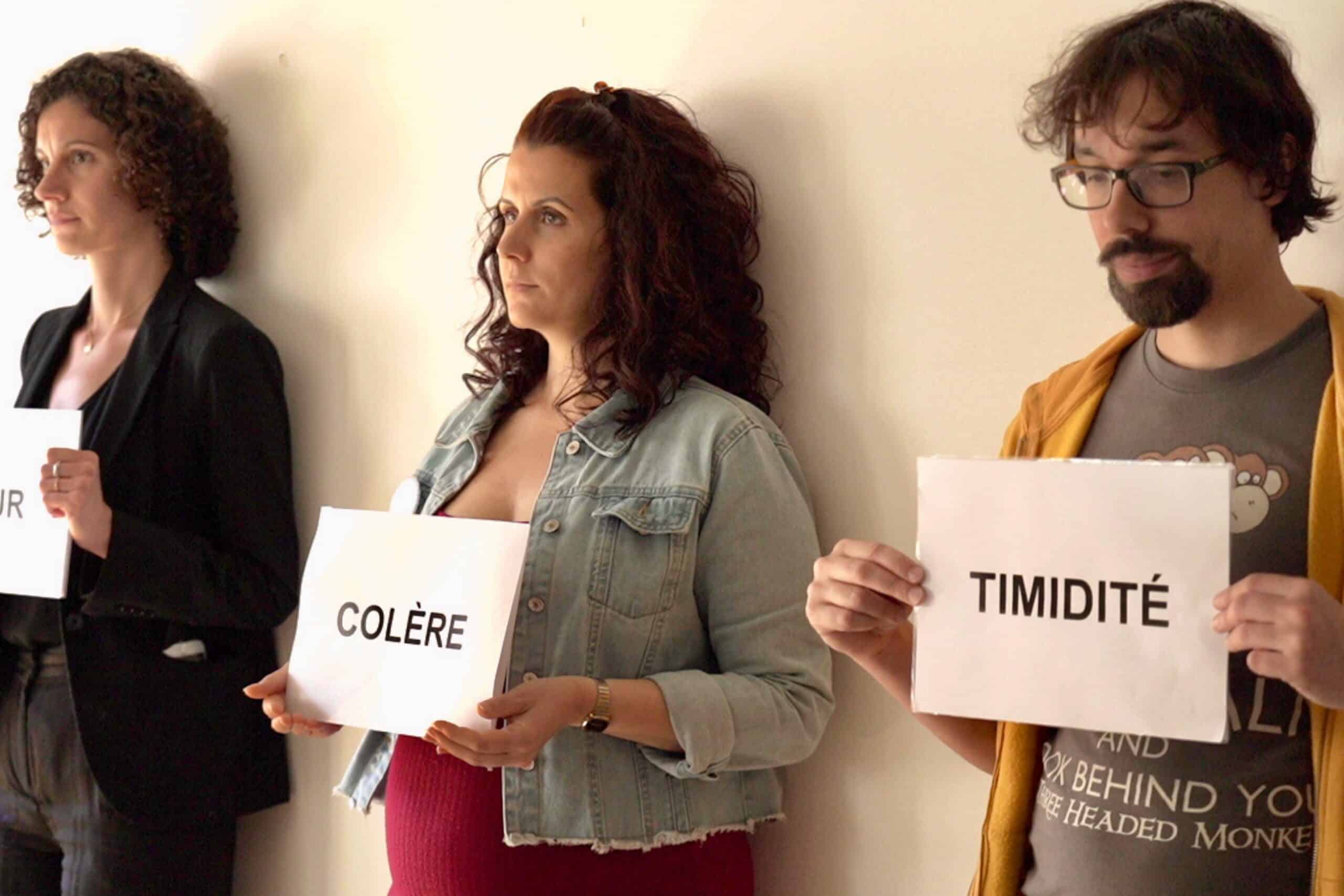
In a serious game, the employee lives the experience. They see for themselves that their preconceptions can harm the team. That active realisation helps prevent relational risk from materialising in real life, by embedding good prevention practice and inclusion.
Case study: Follow the Brain, from mental health to inclusion
To show that health and safety prevention can be genuinely gripping, take our Follow the Braintrilogy. These games use cognitive mechanisms to explore the human factors behind many psychosocial and organisational risks.
- Follow the Brain 1 (Disability & cognitive bias): this chapter raises awareness of disability discrimination. Through logic puzzles, participants run into their own cognitive biases, the ones that get in the way of judging a situation objectively. They see how those biases distort theassessment of risks or of skills, putting the integration and workplace safety of certain employees in jeopardy. A powerful introduction to critical thinking, and to fostering an inclusive working environment .
- Follow the Brain 2 (Mental health & dialogue): here, the awareness-raising goes straight to mental health. The game teaches players to pick up weak signals and shows how to open a conversation that gives the subject the attention it deserves. An ideal metaphor for cross-functional management and psychosocial risk prevention, proving that care and consideration are a cornerstone of employee health.
- Follow the Brain 3 (Discrimination & diversity): this chapter tackles the many faces of discrimination at work: racism, sexism, disability and more. It highlights how diversity (creative, analytical, leading profiles) drives performance and wellbeing at work. It shows that cognitive biases hold inclusion back and can lead to harassment or isolation, at odds with the safety obligations employers have on equality and gender balance.
From game to action plan: embedding a prevention culture
This is where Arcane Experience adds its value. The game is only the starting point of a wider prevention programme. For an initiative to hold up in the eyes of occupational health and health services, the debrief is crucial.
We don’t revisit the score. We look at how it all transfers to the real world, to build a concrete action plan .
During this guided phase, we invite teams to bridge the gap between the game and their own prevention approach :
- “In the game, we judged that situation far too quickly. Does the same thing happen when we carry outrisk assessments on our projects?”
- “How can we improve our dialogue to avoid the unspoken issues that lead to psychosocial risks ?”
- “What prevention measures can we put in place to ensure better inclusion?”
That’s the moment a prevention culture takes root. Employee representatives, managers and employees build the solutions together. They no longer simply put up with health and safety rules— they own them.

Conclusion
Today, workplace awareness-raising is at a turning point. To meet your prevention obligations while genuinely improving working conditions, you need to step off the beaten track. A game is a unique chance to treat health, safety and inclusion seriously without ever being boring.
By turning your employees into active players in their own environment, you go far beyond updating the risk assessment record. You create a healthy environment where preventing occupational and human risks becomes a collective reflex.
Ready to rethink your approach to prevention?
Want to breathe new life into your safety day, train your works council and health and safety reps differently, or simply improve wellbeing at work ? Whether it’s preventing psychosocial risks, raising awareness of disability or strengthening team cohesion, we have the scenario you need.
Explore our bespoke game formats with Arcane Experience and turn your prevention challenges into engaging experiences.
