Simulation

Operational crisis management simulation

Protocole Crise “Décision critique”

icon quill pen fill
An immersive corporate crisis management simulation
icon users
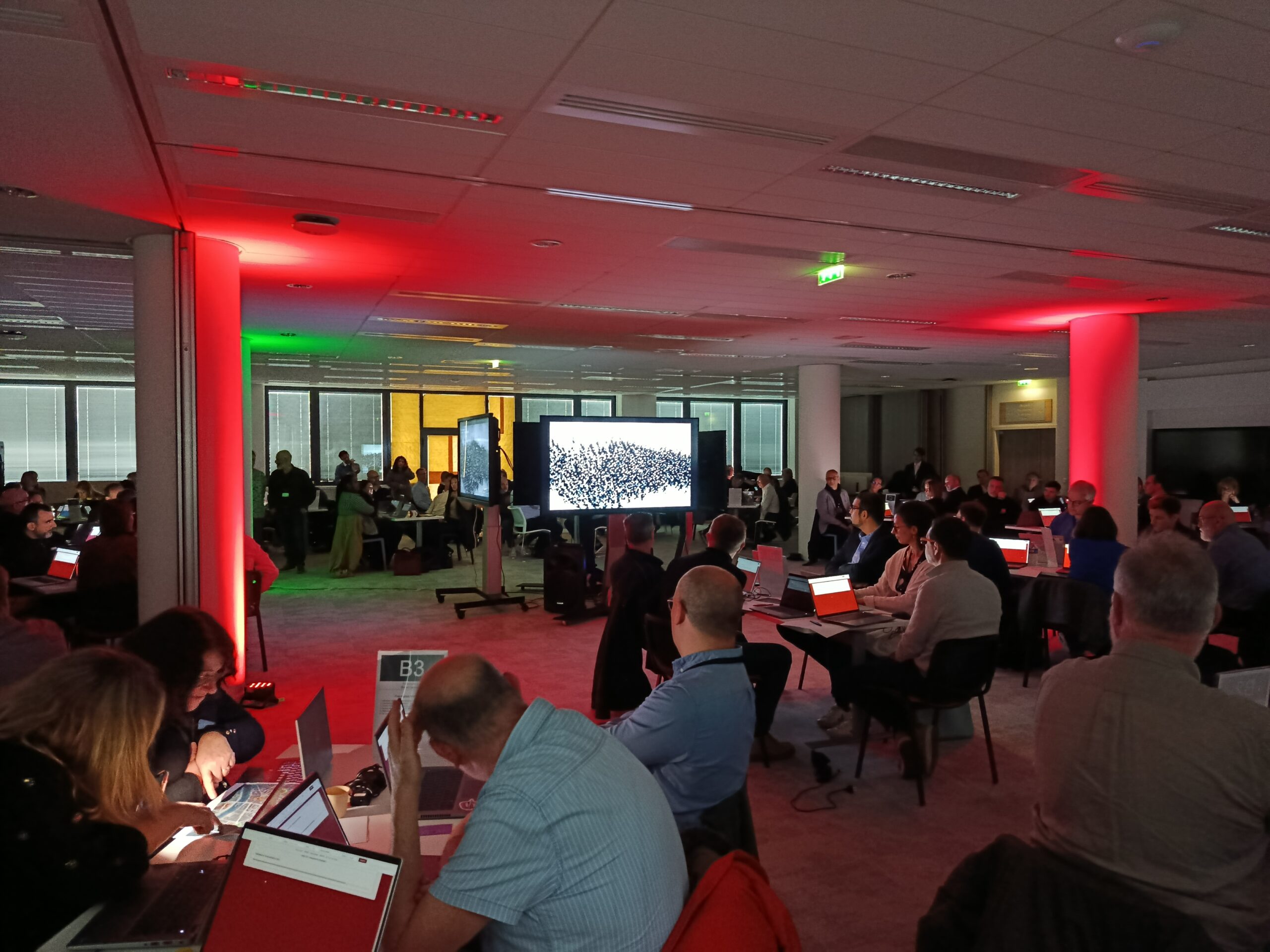
From 15 to 500 decision-makers at once (crisis units of 5 people)
icon equalizer
Tabletop and fully mobile, with an interactive digital platform
icon time
2 hours of immersive training (briefing, simulation and debrief included)
icon supervision
2 professional actors as controllers (+1 for every 50 participants)
Simulation de gestion de crise opérationnelle Protocole Crise Décision critique Arcane

The scenario: a state under pressure

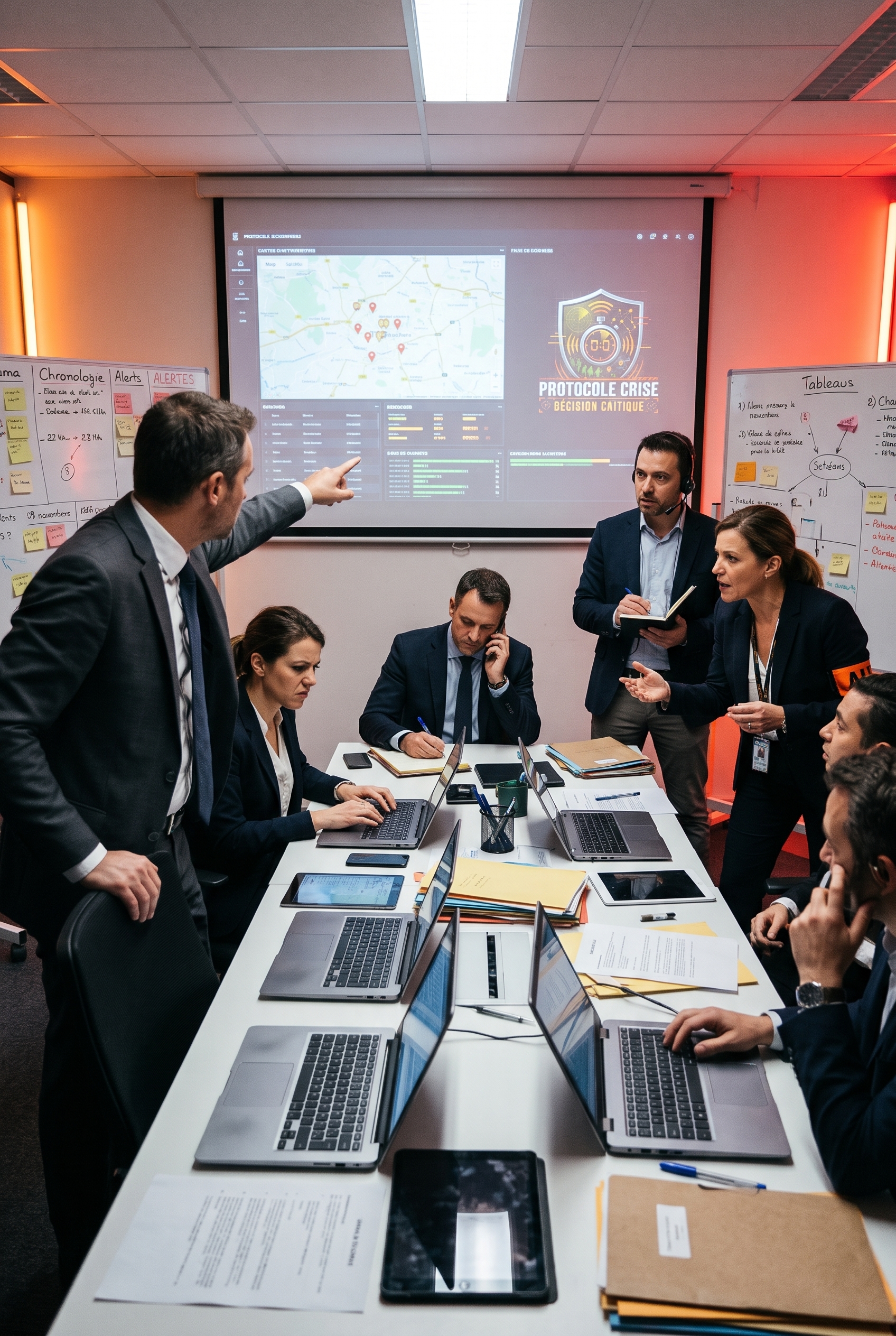
Nine weeks of protest, 100,000 demonstrators on record, then the tipping point. Turnout suddenly doubles, online traffic floods the digital space beyond all moderation, and territorial intelligence services warn of imminent violence.

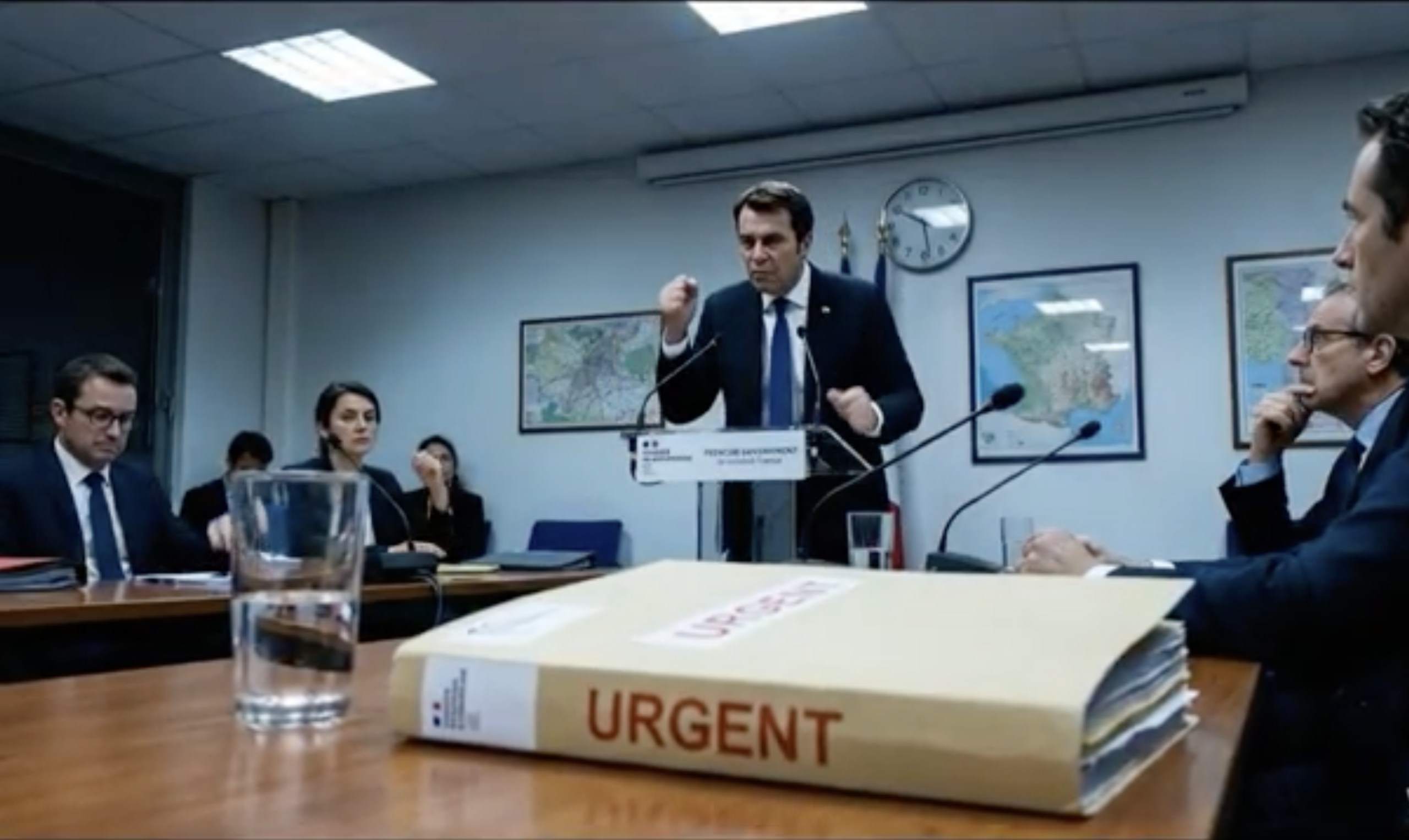
With the Prime Minister’s office deeply alarmed, your teams must stand up the regional crisis units at speed. On your digital terminals, central command issues the first confidential operational reports. Urgent injects pour in: every decision reshapes the situation in real time.

In the room, professional actors playing angry protesters or fake journalists burst in to throw your teams off balance. With no certainties to rely on, your units must rank the emergencies, keep the incident log and decide before the point of no return. You are the last line of defence. The state is watching.
Neuroscience & skills under extreme pressure

The exercise works directly on the cognitive and emotional levers of the brain under stress, to build reflexes that last :

Managing stress and breaking through freeze responses: Tame cognitive tunnel vision and keep a systemic view of operational priorities.

A smooth alert chain: Spot internal bottlenecks and secure cross-functional coordination within the unit.

Strict incident-log discipline: Record established facts and timestamp every decision to guarantee full traceability.

The right to fail in a safe sandbox: Test your collective resilience with no legal or financial risk, and measure your method against the realities of the field.

How the exercise unfolds

The simulation runs in two escalating phases, paced by critical dilemmas, asynchronous information flows and live interventions from actors.

White network icon

Phase 1 — Operational breakdown and setting up the unit

Each team takes up its station, discovers the opening scenario and structures its command unit. The first conflicting reports appear on screen: participants must assess their sources, open the incident log and make their first precautionary calls.

Settings icon

Phase 2 — Inject overload and live interventions

The scenario tips into full emergency as simultaneous events and viral rumours hit. Actors move in among the tables to test how decision-makers hold their ground. Units must process the flow against the clock and keep their decisions in sync.

Idea icon

Debrief — From scenario to organisational resilience

The session closes with a live analysis of the decisions taken, the response times and the communication biases observed. Our controllers link it all back to real governance: crisis management cannot be improvised. It takes a way of working together that only hands-on practice can build.

From one-off crash test to a full management programme

The simulation Protocole Crise: Décision critique is the first operational step in our flagship programme Deciding under uncertainty. Three in-depth modules can extend the exercise:

  • The protocol embedding quiz: A post-simulation sequence that tests the decisions taken against your organisation’s real procedures (business continuity plans, regional emergency plans, escalation routes).

  • The management impact report: A summary deliverable for your executive team, mapping the decision-making strengths and communication vulnerabilities revealed during the exercise.

  • The neuroscience masterclass: A session with an expert to decode how the brain behaves under stress (amygdala, cognitive overload, anchoring bias) and equip your people to stay clear-headed under pressure.

Delivery & budget

The simulation is a ready-to-play format, fully managed on the technical and logistical side, at your offices, in a public administration building or at your convention venue.

  • Starting price: From €4,200 excl. VAT (standard session for up to 30 participants).

  • Always included: Full scenario, software platform, equipment for every unit, facilitation by two professional actor-facilitators and project management.

  • Tailored scaling: Quoted to fit large groups (up to 500 decision-makers at once), with extra controllers, the embedding quiz or the neuroscience masterclass.

Build the exercise around your critical risks

What if we simulated the crisis you fear most? Supply chain failure, regional blockade, cyberattack on critical infrastructure or industrial accident: we design your bespoke crisis simulation by modelling the injects on your real vulnerabilities and regulatory constraints.

Frequently asked questions from executive and public-sector leaders

How do you justify the ROI of an operational simulation versus a theoretical audit?

The return on investment of an operational simulation is measured by the coordination failures and critical costs it prevents in a real crisis. By feeling decision-making stress first-hand, your teams build behavioural reflexes that no reading of procedures can instil. The exercise immediately reveals human breaking points and bottlenecks, long before a real crisis paralyses your operations.

Does this public-sector format suit private companies and people who don't like games?

The public administration setting neutralises corporate reflexes and puts every participant on an equal operational footing when the unexpected hits. Stepping outside their usual professional frame, even the managers most resistant to games take ownership of their role in the crisis unit straight away. The urgency and realism of the injects mobilise collective intelligence with no prior gaming culture required.

How can this training be run for 50 to 500 decision-makers at once without losing impact?

Arcane’s interactive digital platform synchronises dozens of autonomous crisis units simultaneously at your convention venue. Unlike improvised approaches limited to a committee of twenty, our engineering delivers the same intensity of experience for several hundred decision-makers. The format aligns your entire management line, or all your regional leaders, in just two hours.

How does the simulation connect to our organisation's real protocols?

While the simulation primarily tests soft skills and clear thinking, bespoke embedding modules link the exercise back to your internal procedures. A closing application quiz tests the decisions taken against your own emergency plans, while an impact report documents the strengths and vulnerabilities observed. This methodological bridge is the ideal preparation for a deeper governance programme.

Related resources & case studies